


Loss is one of the most profound experiences we go through as human beings. It changes us in ways we never expect, reshaping our thoughts, emotions, and even our sense of identity. In the midst of this pain, many people find themselves searching for meaning, strength, and a way forward. This is where the journey of healing after loss through poetry begins — a deeply personal path toward self-discovery and emotional resilience.
Grief does not come with a manual. It doesn’t follow a straight line, nor does it move at a predictable pace. Some days feel manageable, while others bring a wave of emotions that seem impossible to control. Yet within this journey lies an opportunity — not to forget or replace what was lost, but to rediscover yourself in a new way.
Understanding Life After Loss
When we lose someone close to us, it can feel like a part of our world has disappeared. Daily routines change, memories become heavier, and silence can feel louder than ever before. This emotional shift is natural, but it often leaves us wondering:
Who am I now?
The journey of embracing life after loss is not about “moving on” in the traditional sense. It is about learning how to carry that loss while still allowing yourself to grow, heal, and find meaning again.
Grief can feel isolating, but it is also a deeply human experience — one that connects us to love, memories, and the bonds we shared.
The Role of Self-Discovery in Healing
One of the most powerful aspects of grief is that it forces introspection. It encourages you to look inward and ask questions you may have never considered before.
- What truly matters to me?
- How do I want to live my life now?
- What brings me comfort or peace?
Through this process, many people begin a journey of self-discovery after loss. While painful, this phase can lead to a deeper understanding of yourself and your emotions.
You may discover strengths you never knew you had. You may find new ways to cope, new passions, or even a renewed appreciation for life’s small moments.
Finding Strength in Vulnerability
Grief often makes people feel weak, but in reality, it reveals incredible strength. Allowing yourself to feel emotions — sadness, anger, confusion, even moments of joy — is not a sign of weakness. It is a sign of healing.
Strength after loss doesn’t mean “being okay.”
It means allowing yourself to be real.
This is where poetry for grief healing becomes incredibly powerful.
Healing After Loss Through Poetry
Poetry offers a safe space where emotions can exist without judgment. When words feel too heavy to speak, writing them down can provide relief and clarity.
Through poetry, you can:
- Express emotions you cannot say out loud
- Preserve memories of your loved one
- Release pain in a creative and meaningful way
- Transform grief into something tangible
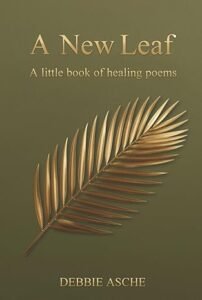
In books like A New Leaf, we see how deeply personal experiences of loss can be turned into words that resonate with others. Poems about grief, memories, and healing show that pain can be expressed in a way that feels both raw and beautiful.
For example, themes of loss, remembrance, and emotional struggle appear throughout the manuscript, such as in reflections on grief and moving forward . These expressions remind us that healing is not about forgetting, but about learning how to live with the memory.
Rebuilding Life After Loss
At some point in the healing journey, something begins to shift. The pain doesn’t disappear, but it becomes more manageable. You start to notice moments of peace, even if they are small.
This is where rebuilding begins.
Rebuilding life after loss does not mean replacing what was lost. It means creating space for both grief and growth to exist together.
Here are a few ways people begin to rebuild:
1. Creating New Routines
Daily structure can help bring stability during emotional uncertainty.
2. Holding on to Meaningful Memories
Instead of avoiding memories, many find comfort in embracing them.
3. Exploring Creative Outlets
Writing, art, or music can become powerful tools for emotional healing.
4. Allowing Joy Without Guilt
Feeling happiness again does not mean you’ve forgotten — it means you’re healing.
👉 Want to read this amazing book?
If you’re interested in exploring this powerful story, you can grab your copy here:
Get Book From Amazon
The Balance Between Grief and Growth
One of the hardest parts of loss is learning that grief and growth can coexist. You can feel sadness and still find moments of peace. You can miss someone deeply and still move forward in life.
This balance is at the heart of healing after loss through poetry.
Poetry allows you to hold both emotions at once:
- Pain and beauty
- Loss and love
- Grief and hope
It gives your emotions a place to exist without needing to resolve them immediately.
You Are Not the Same — And That’s Okay
Loss changes you. There is no way around it. But change does not always mean something negative. It can mean becoming more aware, more compassionate, and more connected to your emotions.
The person you were before loss may not be the same person you are now — and that is part of your journey.
You are evolving.
You are healing.
You are learning to carry your story.
Final Thoughts
Embracing life after loss is not about leaving the past behind. It is about carrying it forward in a way that allows you to continue living, growing, and finding meaning.
Through healing after loss through poetry, you can transform pain into expression, confusion into clarity, and grief into something that connects you with yourself and others.